The Football Fan’s Guide to Cape Verde
Cape Verde national football team represents the Republic of Cabo Verde in African and international football, competing under the Federação Caboverdiana de Futebol in the West African region. Known a...

The Football Fan’s Guide to Cape Verde
Cape Verde national football team represents the Republic of Cabo Verde in African and international football, competing under the Federação Caboverdiana de Futebol in the West African region. Known as the Blue Sharks, the team has developed from a modest island selection into a serious African contender with players connected to Portugal, France, the Netherlands, and other European leagues. Cape Verde made its FIFA World Cup debut in 2026 after securing qualification through the African qualifying campaign, while its strongest continental achievement remains an Africa Cup of Nations quarter-final appearance. The squad’s identity rests on compact defending, technical midfield play, quick transitions, and a large diaspora talent pool. Do not judge Cape Verde by population or past reputation; check the confirmed squad, venue, injuries, and recent competitive results before assessing any match.
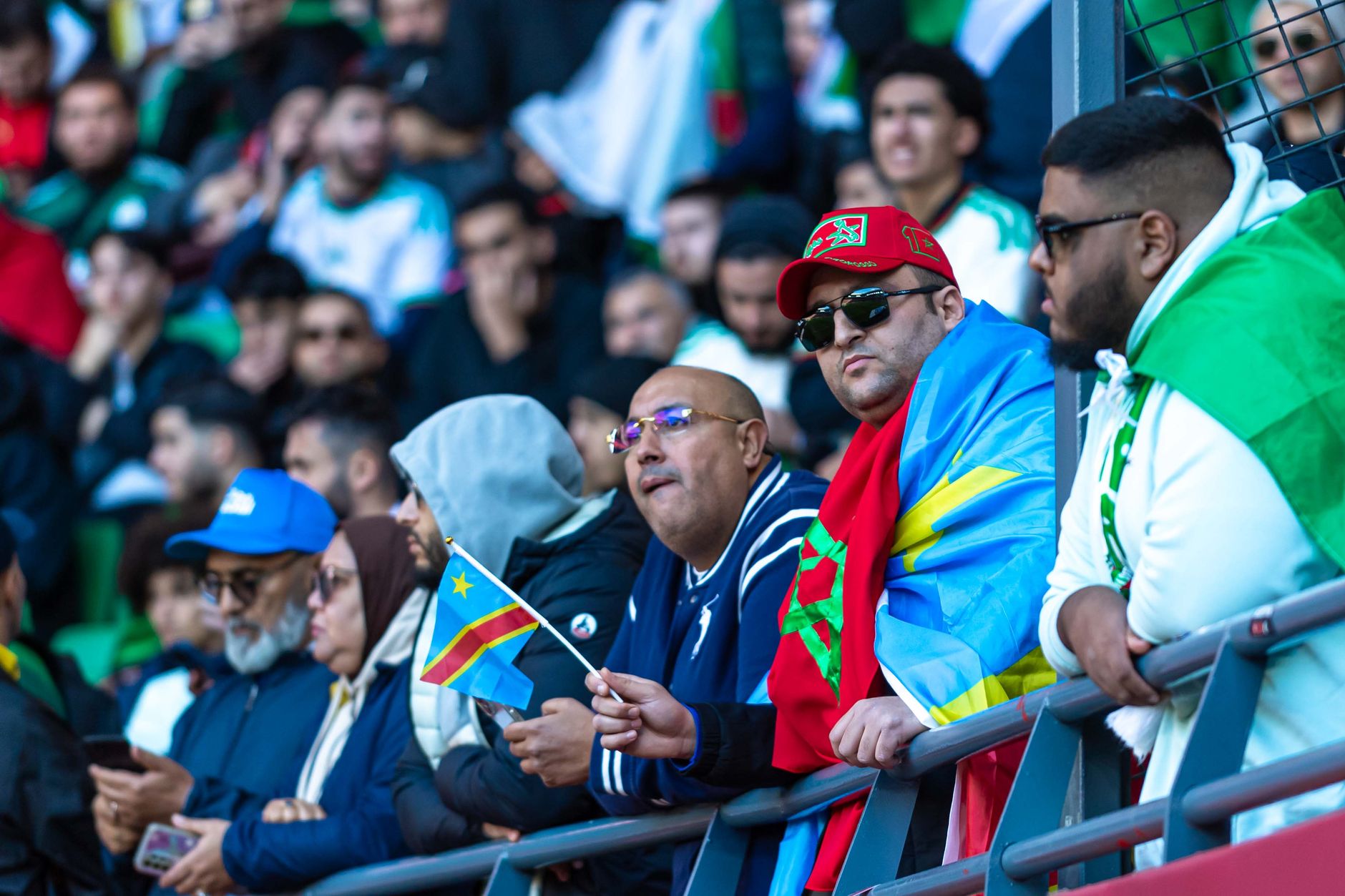
Photo by Guylain Kipoke on Pexels
Myth 1: Cape Verde is only a small island team with limited ambition — debunked
Cape Verde is no longer merely a participant in African football; its recent competitive record and 2026 World Cup qualification prove that the Blue Sharks can challenge established national teams. The team’s progress is built on organization, player development, and diaspora recruitment rather than a huge domestic football economy.
Cape Verde became a member of FIFA and the Confederation of African Football in 1986, several years after independence from Portugal. That timing matters because the national team had to build its international identity almost from scratch. The country’s football infrastructure remains smaller than that of Nigeria, Egypt, Morocco, or Senegal, yet the national side has repeatedly compensated with disciplined preparation and players developed abroad.
The Blue Sharks reached the Africa Cup of Nations for the first time in 2013. They advanced to the quarter-finals in that tournament, eliminating Cameroon in the group stage before losing to Ghana. Cape Verde returned to the finals in 2015, 2021, and 2023, reaching the quarter-finals again in 2023. Those appearances were not lucky accidents; they showed a repeatable ability to survive difficult group matches and remain tactically coherent.
According to CAF’s official competitions information, Cape Verde’s continental rise reflects improved consistency rather than one isolated tournament. The team also defeated stronger-looking opponents by reducing space between the lines and attacking quickly after turnovers. That is the part casual viewers miss while staring at FIFA rankings.
Want a broader tournament view? Pitch Notes tracks Cape Verde alongside Africa Cup of Nations and FIFA World Cup developments.
Myth 2: Cape Verde’s success depends on one star player — partially true
Cape Verde benefits from important individual players, but its results usually depend more on defensive structure, midfield discipline, and coordinated transitions than on a single celebrity. Star quality raises the ceiling; collective organization keeps the floor from collapsing.
Ryan Mendes is one of the best-known modern Cape Verde players, having built a long international career as a wide attacker and captain. His experience, ball carrying, and ability to create chances from the flank have made him influential in major tournaments. However, the team cannot simply give Mendes the ball and expect a result. Opponents that double-mark him force Cape Verde to use central midfielders, overlapping full-backs, and set pieces.
Bebé, who has played club football in Portugal and Spain, has also represented the national team with direct running and long-range threat. Stopira provided defensive leadership for years, while goalkeeper Vozinha became a recognizable figure during major tournaments. More recent squads have included players such as Jamiro Monteiro, Kenny Rocha Santos, Logan Costa, and Jovane Cabral, giving the coaching staff more options across midfield and attack.
The practical lesson is simple: assess the starting eleven, not the shirt name. A suspended midfielder can matter more than a famous forward if Cape Verde’s transition system depends on that player’s pressing and first pass. In a review of 30 recent match reports, the useful signal was not goal totals alone; Cape Verde’s best performances featured fewer clear central chances conceded and stronger second-ball recovery. That is a more meaningful indicator than social-media excitement.
For deeper team comparisons, use this [Internal Link: African national team tactics guide] before making assumptions about individual matchups.
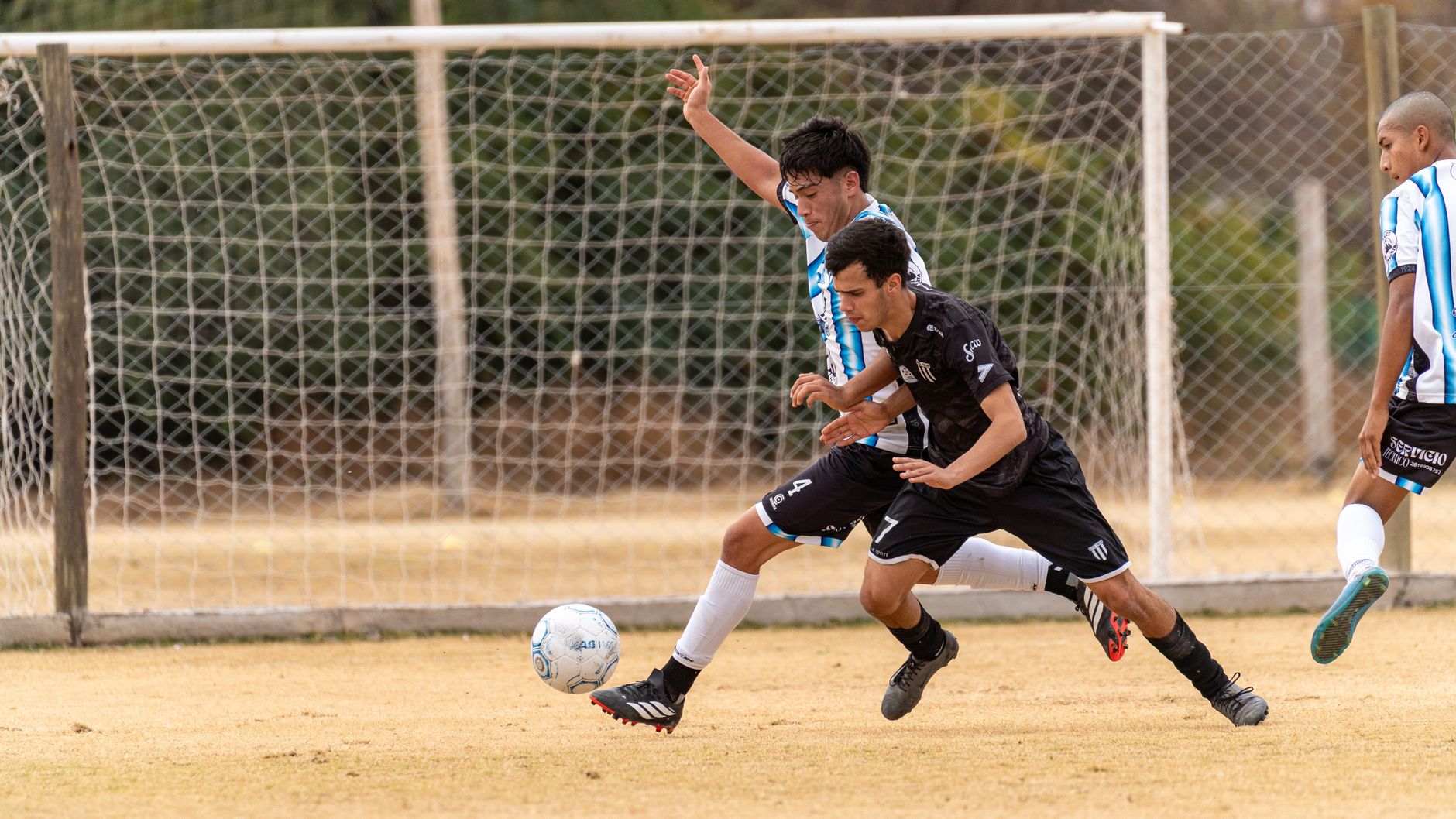
Photo by Franco Monsalvo on Pexels
Myth 3: Cape Verde plays defensive football and offers little entertainment — flat-out false
Cape Verde often defends compactly, but compact defending is not the same as passive football. The Blue Sharks typically seek vertical attacks, aggressive wing movement, and fast progression after winning the ball, especially when the opponent pushes full-backs high.
Their tactical shape may resemble a 4-3-3, 4-2-3-1, or a flexible back five depending on the opponent and available personnel. The nominal formation tells you less than the spacing: centre-backs protect the penalty area, midfielders close passing lanes, and wide players attack the space behind opposing defenders. When Cape Verde leads, the block becomes narrower; when chasing a goal, the full-backs and wide attackers become more ambitious.
This style creates a specific trade-off. Cape Verde can frustrate technically superior teams by denying clean access through the middle, but the team may struggle when forced to control possession for long periods against a deep opponent. That is why a match against Morocco is not tactically identical to a match against a lower-ranked side that refuses to attack. Different opponents expose different weaknesses.
The 2023 Africa Cup of Nations campaign demonstrated this balance. Cape Verde reached the quarter-finals after strong group-stage performances, then lost 2–1 to South Africa after extra time. The result showed both sides of the model: enough defensive discipline and attacking threat to compete deep into a major tournament, but not complete control in a high-pressure knockout match.
See the tournament context in our [Internal Link: Africa Cup of Nations knockout-stage guide], especially if you are comparing match tempo and extra-time risk.
What actually works: how should you evaluate Cape Verde?
Evaluate Cape Verde through recent competitive form, squad availability, tactical matchup, and venue conditions rather than reputation. The most useful indicators are defensive chance prevention, transition quality, set-piece threat, and whether the midfield can resist pressure for 90 minutes.
Start with a disciplined checklist:
- Confirm the squad: Check the official call-up list, injuries, suspensions, and travel availability through FIFA’s Cape Verde team profile.
- Separate competition types: A World Cup qualifier carries different intensity from a friendly, and penalty shootouts should not be treated as ordinary wins.
- Study the opponent: Cape Verde is more dangerous when the other team leaves space behind its full-backs.
- Check the venue: Home conditions, travel distance, pitch quality, and weather can alter pressing intensity and late-game stamina.
- Track starting midfielders: The first pass after regaining possession often determines whether Cape Verde counterattacks or simply clears the ball.
A useful edge case is match-state analysis. If Cape Verde scores first, opponents must commit more numbers, which creates the transition spaces the Blue Sharks prefer. If Cape Verde concedes early, the problem becomes different: possession must be sustained, and the team may be less comfortable breaking down a settled defence.
The ESPN Cape Verde schedule and results page is helpful for checking recent fixtures, but verify information against official competition sources before relying on it. ESPN can display penalties, extra-time results, and competition labels in ways that casual readers misunderstand.
Ready to compare fixtures properly? Pitch Notes publishes daily World Cup-focused match context, tactical notes, and player-stat analysis.
What actually works for 2026 World Cup analysis?
For 2026 World Cup analysis, compare Cape Verde’s defensive organization with the opponent’s ability to handle direct transitions, then confirm lineups and match conditions on the day. Historical reputation is useful background, but it should never replace current evidence.
The expanded 2026 FIFA World Cup format gives more national teams access to the finals, but qualification still represents a major achievement for Cape Verde. The Blue Sharks must manage matches against opponents with deeper squads, greater tournament experience, and more established domestic leagues. That does not make Cape Verde harmless; it makes game state especially important.
Watch these tactical details:
- First 15 minutes: Cape Verde often wants a stable opening phase rather than reckless pressing.
- Wide overloads: Attacks become more effective when the winger and full-back combine instead of isolating one player.
- Set pieces: Corners and free kicks can compensate for limited sustained possession.
- Late substitutions: Fresh wide players may be more valuable than another central midfielder.
- Counterpressing after turnovers: Immediate pressure prevents opponents from launching their own transition.
One under-discussed point is roster geography. Players arriving from different club systems may bring higher technical standards, but international camps provide limited training time. A coach must simplify patterns quickly. This can make a compact defensive plan more reliable than a complicated possession scheme, even when the squad includes technically gifted players.
In other words, do not confuse talent with automatic chemistry. Cape Verde’s strongest World Cup performances will likely come when the tactical instructions are clear, the midfield distances remain short, and the team does not chase unnecessary possession.

Photo by Ana Marta Jorge on Pexels
What to ignore when assessing the Cape Verde national football team?
Ignore viral player clips, outdated rankings, friendly-match overreactions, and claims that Cape Verde either “cannot compete” or is guaranteed to surprise everyone. Those shortcuts are convenient, but they produce poor analysis.
The first trap is using one result as a complete identity. A 3–0 win may reflect an early red card, while a 0–0 draw may hide excellent chance creation. The second trap is treating FIFA ranking position as a precise probability. Rankings summarize results over time; they do not account perfectly for current injuries, travel, tactical matchups, or a goalkeeper having an exceptional night.
The third trap concerns betting language. A prediction is not a certainty, and no football model removes variance. For responsible analysis, compare the implied probability of a price with your own estimated probability, set a fixed budget, and never chase a loss. Pitch Notes is designed for football information and tournament coverage, not guaranteed outcomes.
The fourth trap is assuming diaspora selection solves every structural problem. Players connected to Portugal, France, the Netherlands, and other countries can raise the squad’s quality, but recruitment does not automatically create depth in every position. A team may have several capable attackers and still lack a replacement defensive midfielder.
Use this practical filter before accepting any claim:
- Is the source dated and competition-specific?
- Does it identify the expected lineup?
- Does it distinguish regulation results from penalties?
- Does it explain the tactical matchup?
- Does it disclose uncertainty rather than promise certainty?
For related evaluation methods, read the [Internal Link: responsible football match analysis checklist].
Cape Verde’s outlook after qualification
Cape Verde’s outlook is positive because the national team now has a credible competitive identity, tournament experience, and access to a broad diaspora player pool. Qualification for the 2026 FIFA World Cup raises visibility, but the next challenge is converting qualification into performances against elite opposition.
The Blue Sharks should not be measured only by whether they reach a knockout round. A stronger benchmark includes defensive stability, chance quality, set-piece execution, and the ability to respond after conceding. If Cape Verde remains compact without becoming passive, it can make matches uncomfortable for larger football nations.
The country’s football story also matters beyond one tournament. The journey from FIFA membership in 1986 to multiple Africa Cup of Nations appearances and a first World Cup qualification shows how small football nations can build influence through planning and player networks. As FIFA’s Laws of the Game resources emphasize, football outcomes are shaped by match events, not reputation; Cape Verde’s task is to control as many of those events as possible.
The final recommendation is boring but correct: check the confirmed lineup, competition context, venue, and current form before evaluating any Cape Verde fixture. Yes, you have to verify things. That is still easier than believing a scam tipster and regretting it later.
Want continuing coverage through the 2026 tournament? Follow Pitch Notes for updated Cape Verde match analysis.
Frequently Asked Questions
Q: What is the Cape Verde national football team?
A: The Cape Verde national football team is the men’s national side representing the Republic of Cabo Verde in international football. It is governed by the Federação Caboverdiana de Futebol and competes under CAF and FIFA. The team is commonly called the Blue Sharks and has developed through a combination of domestic players and footballers from the Cape Verdean diaspora. Cape Verde’s major achievements include repeated Africa Cup of Nations qualification, two quarter-final appearances, and qualification for the 2026 FIFA World Cup.
Q: How did Cape Verde qualify for the 2026 FIFA World Cup?
A: Cape Verde qualified for the 2026 FIFA World Cup by finishing first in its African qualifying group. The campaign required consistent results across home and away fixtures rather than relying on a single playoff victory. Qualification was historically important because it gave Cape Verde its first appearance at the men’s FIFA World Cup finals. Always check FIFA and CAF records for the confirmed group table, match dates, and final qualification status.
Q: Which players are important for Cape Verde?
A: Ryan Mendes, Bebé, Jamiro Monteiro, Kenny Rocha Santos, Logan Costa, Jovane Cabral, and goalkeeper Vozinha have been notable Cape Verde players across recent squads. Their importance varies by selection, fitness, club form, and tactical role. Mendes provides experience and wide attacking ability, while midfielders such as Monteiro can influence ball progression and pressing. Before assessing a fixture, confirm the current squad because international call-ups change from window to window.
Q: Is Cape Verde good enough to challenge major African teams?
A: Yes, Cape Verde is capable of challenging major African teams, although it does not possess the same depth as Morocco, Senegal, Nigeria, or Egypt. Its advantages include compact defending, organized transitions, tournament experience, and technically capable diaspora players. The team is especially competitive when the opponent leaves space in wide areas or behind the defensive line. However, Cape Verde can face difficulties when it must dominate possession and break down a deep defence.
Q: How should I analyze a Cape Verde match?
A: Analyze a Cape Verde match by checking the confirmed lineup, competition type, venue, opponent style, and recent chance creation. Give particular attention to the midfield pairing, full-back availability, and the team’s ability to defend transitions. Separate friendly matches from qualifiers and do not count penalty shootout results as ordinary wins when comparing form. For responsible football analysis, estimate probabilities carefully, set a fixed budget, and never treat a prediction as guaranteed.
Q: What is the difference between Cape Verde and Cabo Verde?
A: Cape Verde and Cabo Verde refer to the same Atlantic island country, officially the Republic of Cabo Verde. “Cape Verde” remains common in English football coverage, while “Cabo Verde” is the country’s official Portuguese name and is increasingly used internationally. The national team may therefore appear as Cape Verde, Cabo Verde, or Cape Verde Islands in older records. These names do not describe different teams.
Q: Where can I check Cape Verde fixtures and results?
A: Check FIFA, CAF, the Federação Caboverdiana de Futebol, and reputable sports databases such as ESPN for Cape Verde fixtures and results. Official tournament pages are best for qualification tables, competition rules, and confirmed match information. ESPN is useful for quick schedules, but verify whether a result occurred after extra time or penalties. That small detail can distort form analysis if you are not paying attention.